Local SEO for Law Firms - Rank in Your City
Why Local Search Visibility Decides Which Firm Gets the Call
Most people searching for an attorney type something like "divorce lawyer near me" or "DUI attorney in Phoenix" into Google. The firms that appear at the top of those results collect the majority of clicks before a prospect ever scrolls further. Local search engine optimization determines whether your firm is one of those firms or invisible to the people actively looking to hire.
The stakes are concrete. Studies consistently show that the top three local listings capture a disproportionate share of engagement on location-based queries. Firms that invest in local SEO for law firms early in competitive markets establish ranking authority that is difficult and expensive for late-movers to displace.

The Google Business Profile - Your Most Valuable Local Asset
Your Google Business Profile is the single highest-leverage item in local search. It controls whether you appear in the map pack, what information prospects see before visiting your website, and how your firm is compared against competitors at a glance.
Fill every field completely: practice areas, service areas, business hours, phone number, website URL, and a keyword-rich description that reflects how real clients describe their legal problems. Upload interior and exterior photos of your office. Add individual attorney profiles where the platform permits.
Reviews and Why the Threshold Matters
Review volume directly correlates with map pack rankings. In most markets, a firm needs 30–50 genuine reviews to compete effectively for a visible local position. Below that threshold, Google's algorithm treats your profile as lower-authority than competitors with more social proof.
Building to 30–50 reviews requires a systematic process, not a one-time ask. Build a short review request workflow into your case-closing process: send a direct link to your Google review form within 48 hours of a positive resolution or client milestone. Firms that make this habitual reach the threshold within a few months even at modest case volumes.


On-Page Signals That Tell Google Where You Practice
Location-specific page titles, H1 tags, and meta descriptions that name the city and practice area are the highest-impact on-page elements. A page titled "Personal Injury Attorney in Dallas, TX" signals geographic relevance far more clearly than a generic "Our Services" page.
Build dedicated location pages for each city or neighborhood you genuinely serve. Each page should include the city name in the title tag, H1, and first paragraph, and should contain locally relevant content rather than duplicated boilerplate. Structured data markup using Schema.org's LocalBusiness type reinforces these signals algorithmically.
Technical Foundations That Support Local Rankings
Page speed matters. Google uses page load time as a ranking signal, and over 60% of legal website visitors arrive on mobile devices where slow pages cause immediate exits. Target a load time under 3 seconds across all pages, measured on a mid-range mobile connection.
Name, Address, and Phone number consistency, referred to as NAP consistency, must be exact across every page of your website. Even minor variations between your website, your Google Business Profile, and third-party directories create confusion that suppresses local rankings.
Local Citations for Law Firms
A citation is any online mention of your firm's name, address, and phone number. Citation volume and accuracy signal to Google that your firm is a legitimate, established business at a specific location. Directories like Avvo, FindLaw, Justia, Yelp, and the Better Business Bureau are foundational for law firms.
Start by auditing your existing citations using a tool like BrightLocal or Moz Local. Correct any inconsistencies in your NAP data before building new listings, because cleaning up errors later is more labor-intensive than building correctly from the start. Prioritize legal-specific directories first, then expand to general business directories.
How Many Citations Are Enough
The right number depends on your market size and your competitors. In a small regional market, 40–60 accurate citations may be sufficient. In a large metro area with dozens of competing firms, you may need 80 or more to match the citation authority of top-ranked competitors.
Run a competitive gap analysis: pull the citation profiles of the top three firms ranking in your market and compare their directory presence to yours. Fill the gaps they have covered, then pursue directories they have missed.

Local SEO for Small Law Firms
Smaller firms often assume local SEO requires the same budget as enterprise marketing. It does not. The map pack and local organic results reward relevance and proximity as much as domain authority, which means a well-optimized solo or small-firm profile can outrank much larger competitors for geo-specific searches.
Prioritize effort in this order: complete the Google Business Profile fully, build accurate citations across the most relevant directories, accumulate at least 30–50 reviews, and publish location-specific service pages on your website. Each step compounds the previous one. The monthly cost of a managed local SEO retainer for a small firm typically runs $1,500–$5,000 depending on market competitiveness and scope.
Managing Budget Without Sacrificing Results
Do-it-yourself citation building and review collection are genuinely effective if managed consistently. Where to spend limited budget is on content creation and link acquisition, the two areas where professional execution creates the most durable advantage. A single well-researched local landing page, built once, continues driving traffic for years.
Avoid buying links or using automated citation tools that push inaccurate data at scale. Google's local algorithm penalizes NAP inconsistency, and cleaning up algorithmic damage costs more than doing it right initially.
Building Local Links That Actually Move Rankings
Links from locally relevant domains carry significant weight in local SEO. A link from a city bar association, a local news publication covering a case you handled, or a chamber of commerce membership listing signals geographic authority in a way that generic directory links do not.
Sponsorships of local events, contributions to community organizations, and press coverage of notable verdicts or legal commentary are all legitimate link-building opportunities for law firms. Budget a few hours per month to pursue two or three of these actively. Over a 6–12 month window, the cumulative effect on rankings is measurable.


Tracking Local SEO Performance
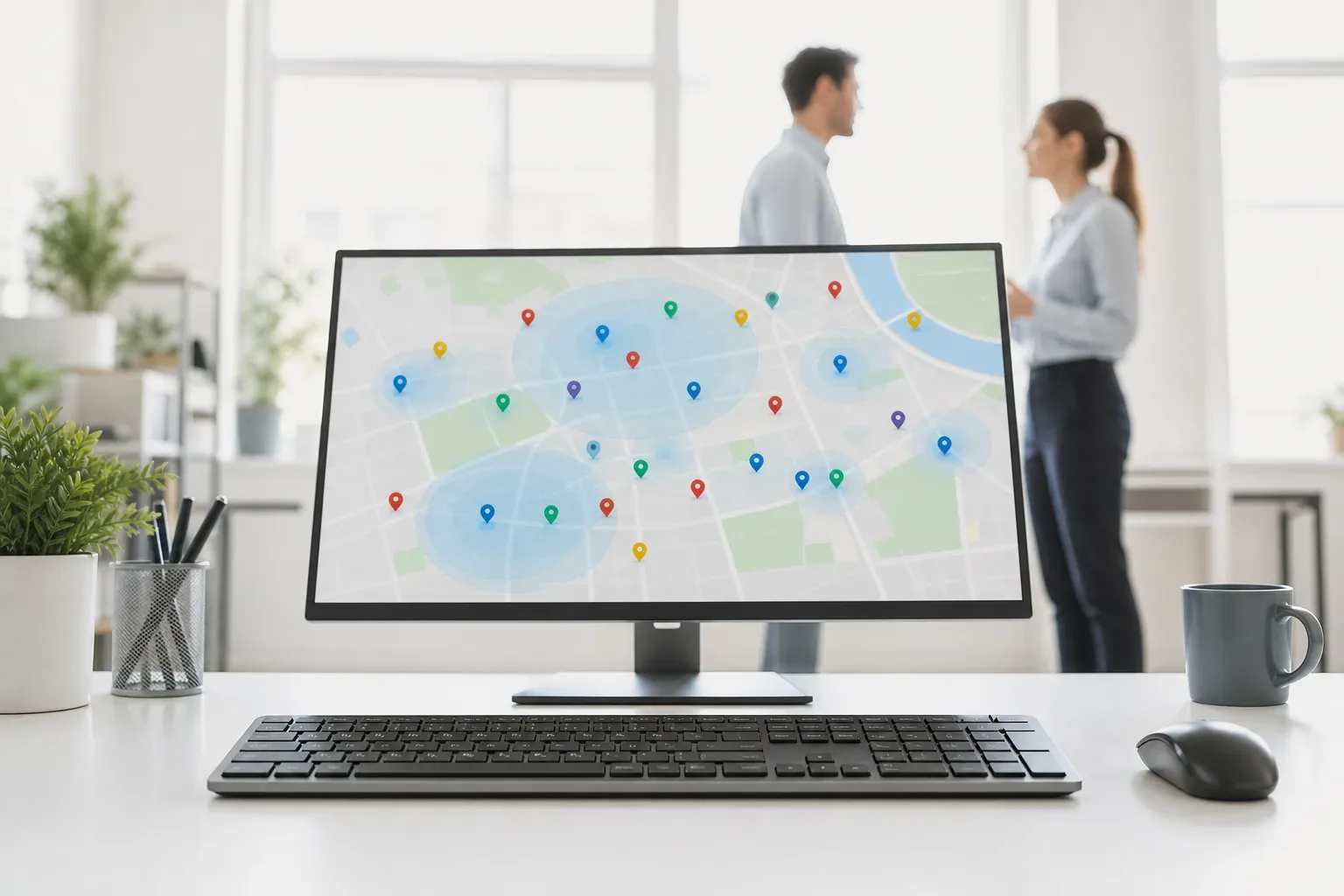
Rank tracking tools like BrightLocal or Local Falcon show your map pack position by zip code, which is more accurate than checking from a single device. Track your position for five to ten target keyword phrases across the zip codes that represent your highest-value service areas.
Google Business Profile Insights reports call volume, direction requests, and profile views. A rising call volume from the profile without a corresponding increase in website traffic indicates your map pack visibility is improving. Expect measurable ranking movement within 3–6 months of consistent effort, with significant return on investment typically taking 6–12 months to materialize in a competitive market.
Frequently Asked Questions
Local SEO for Small Law Firms - Is It Worth the Investment?
Yes. Local search results reward geographic relevance and proximity, which means a well-optimized small firm can outrank much larger competitors for city-specific queries. A managed local SEO retainer typically costs $1,500–$5,000 per month, and results compound over time as citation authority, reviews, and content accumulate.
What Are Local Citations for Law Firms and Why Do They Matter?
A local citation is any online mention of your firm's name, address, and phone number. Consistent citations across directories like Avvo, FindLaw, Justia, Yelp, and the Better Business Bureau signal to Google that your firm is a legitimate business at a specific location. Inconsistent NAP data across listings suppresses local rankings, so auditing and correcting existing citations before building new ones is essential.
How Many Google Reviews Does a Law Firm Need to Rank in the Local Map Pack?
In most markets, a firm needs 30–50 genuine Google reviews to compete effectively for a visible position in the map pack. Below that threshold, Google's algorithm typically favors competitors with greater social proof. Building a systematic review request workflow into your case-closing process is the most reliable way to reach that threshold.
How Long Does Local SEO Take to Show Results for a Law Firm?
Measurable ranking improvement typically appears within 3–6 months of consistent effort. Significant return on investment, meaning a meaningful increase in qualified prospect volume from local search, generally takes 6–12 months in competitive markets. Factors like review volume, citation accuracy, and the strength of competing firms all influence the timeline.
What On-page Changes Have the Biggest Impact on Local Law Firm Rankings?
Location-specific page titles, H1 tags, and meta descriptions that name both the city and practice area deliver the clearest geographic relevance signals to Google. Dedicated location pages for each city you serve, combined with LocalBusiness Schema markup, reinforce those signals algorithmically. Page load speed under 3 seconds and consistent NAP data across all pages are foundational technical requirements that support everything else.